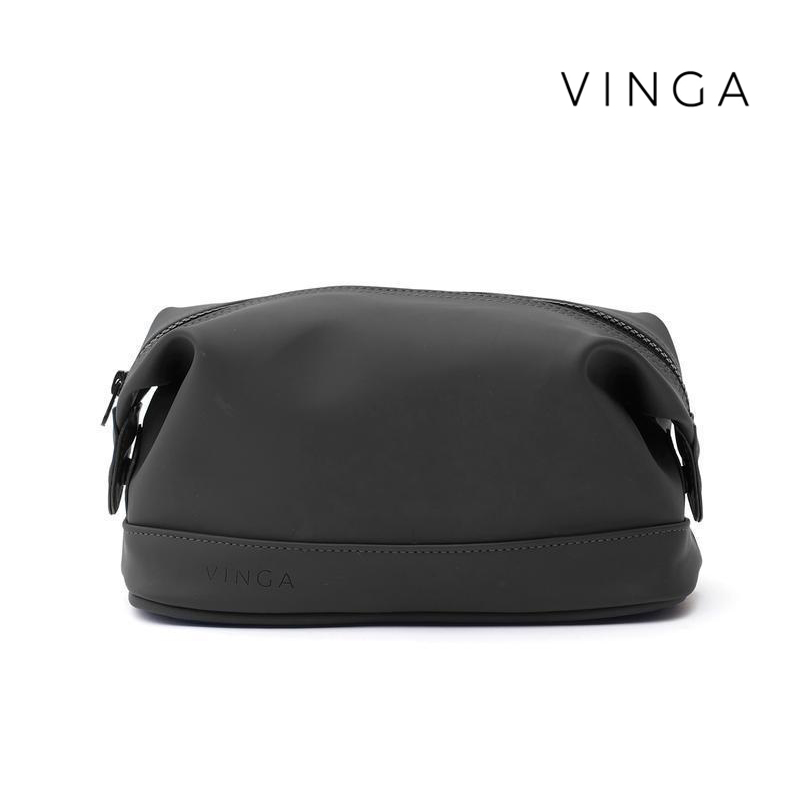
25 / 50 / 100-unit enquiries
Black Wash Bag
A practical travel essential for delegate gifts, incentive groups and hotel welcomes.
Logo options18.5 × 12.5 × 23.5 cm
Request this product ↗
Branded travel gifts and welcome kits for corporate groups, events and incentive programmes. Start with your guest count. We help you choose the right fit.

Explore compact travel essentials for delegates, employees and guests. Stock, branding and delivery are confirmed for your programme.
A practical travel essential for delegate gifts, incentive groups and hotel welcomes.
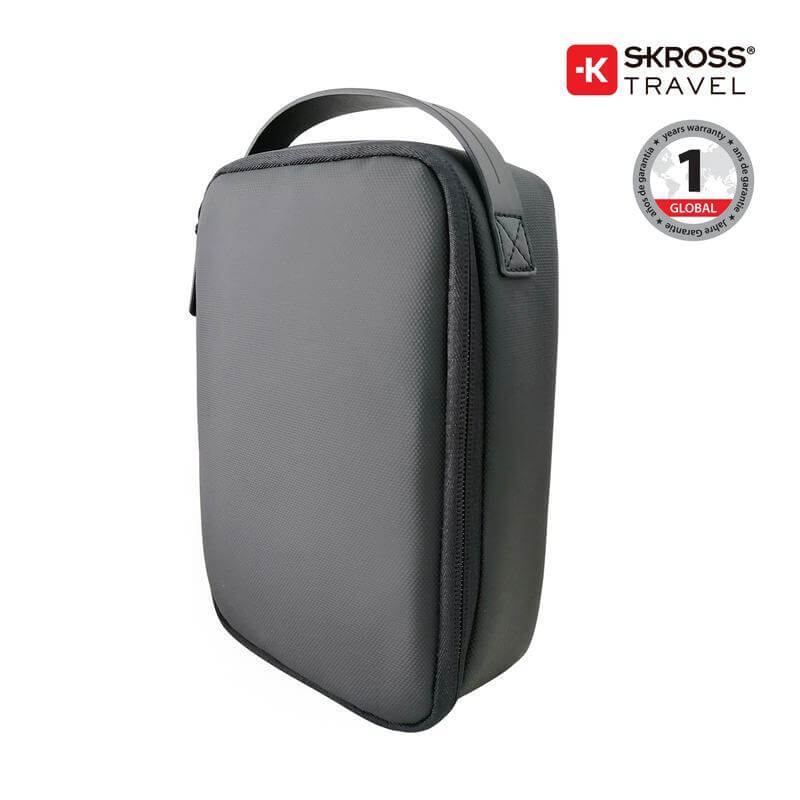
Keep cables, chargers and small travel accessories together in one compact case.
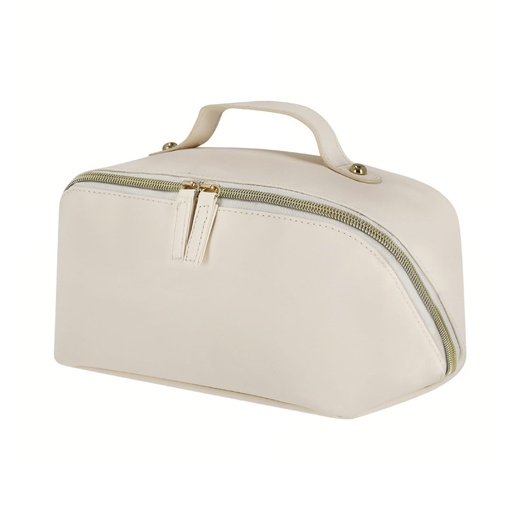
A compact personal-care pouch for thoughtful group gifts and travel programmes.
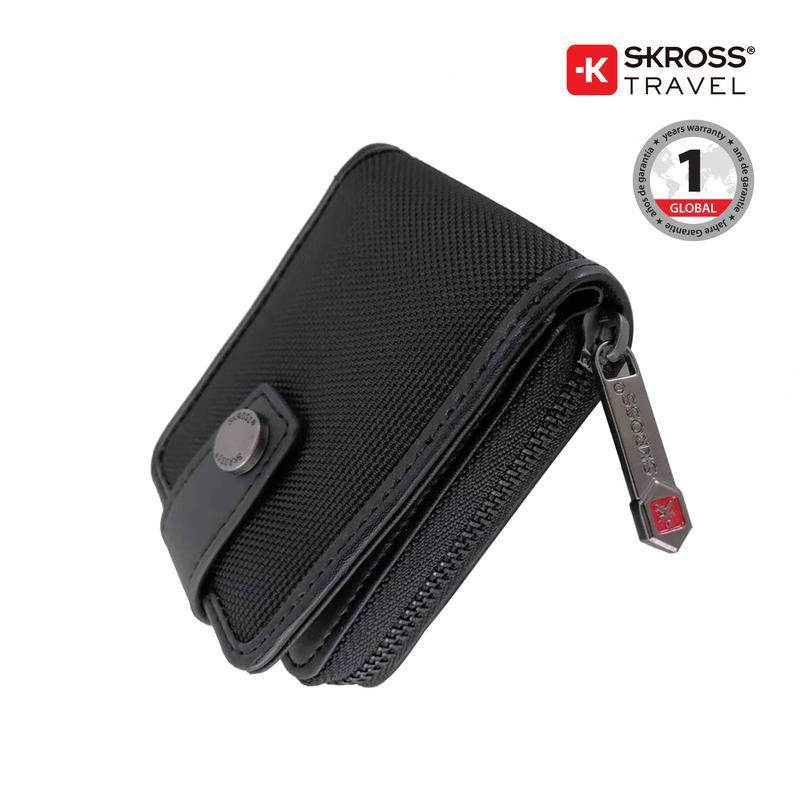
Ask about the card & coin wallet or a coordinated custom kit.
Product photos are supplier references, not finished NORYQEN orders or approved final samples. The supplier, stock, exact model, colour, logo placement, packaging, minimum order and destination delivery are verified for each buyer brief. Any third-party brand marks remain the property of their owners.
See the travel-gifting idea, then explore the product options. Two short films, no sound required.
15 seconds · Full HD · Illustrative gifting concepts
Make every arrival memorable. Travel gifting for corporate groups, events and incentive programmes. Share your guest count, destination and event date. Enquiries from 25 units, subject to product-specific minimums. Request your tailored proposal at noryqen.com.
16 seconds · Full HD · Supplier product reference photos
A travel wash bag, a case for cables and chargers, and a personal-care pouch. Accessories are not included. Start with your group size: 25, 50, 100 or a larger programme. MOQ, branding and delivery are confirmed per brief. No payment or obligation to send a brief.
Corporate gifting, delegate welcomes and incentive travel — matched to your audience and event.
 01 · PROGRAMMES
Useful gifts for employees, clients and business partners.
Explore the programme ↗ 02 · PROGRAMMES
Thoughtful welcomes for conferences, delegations and events.
Explore the programme ↗ 03 · PROGRAMMES
Product sourcing for DMCs, agencies, resellers and repeat programmes.
Explore the programme ↗Lifestyle images illustrate gifting ideas, rather than completed customer projects or approved product samples.
Every programme has a different scale. We shortlist options that fit your quantity, destination and timing.
Explore suitable ready-stock and local options for live groups and corporate gifts.
Tell us your quantity ↗Review a broader selection of product, branding and presentation options.
Tell us your quantity ↗Explore factory production, custom packaging and private-label routes with a longer planning window.
Tell us your quantity ↗*Exact MOQ, stock, branding and delivery terms vary by product and are confirmed before your quotation.
Explore two factory product references for larger quantities. Material, branding, samples and delivery are reviewed against your brief.
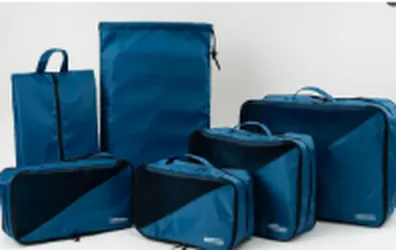 Factory reference
Six-piece compression travel organiser set for delegate kits, incentive travel and corporate gifting. From 500 sets.
One-colour silk-screen logo, standard placement; reusable PVC pouch + printed paper insert included on the confirmed supplier basis.
Planning guide: allow around 3–4 months from brief to delivery.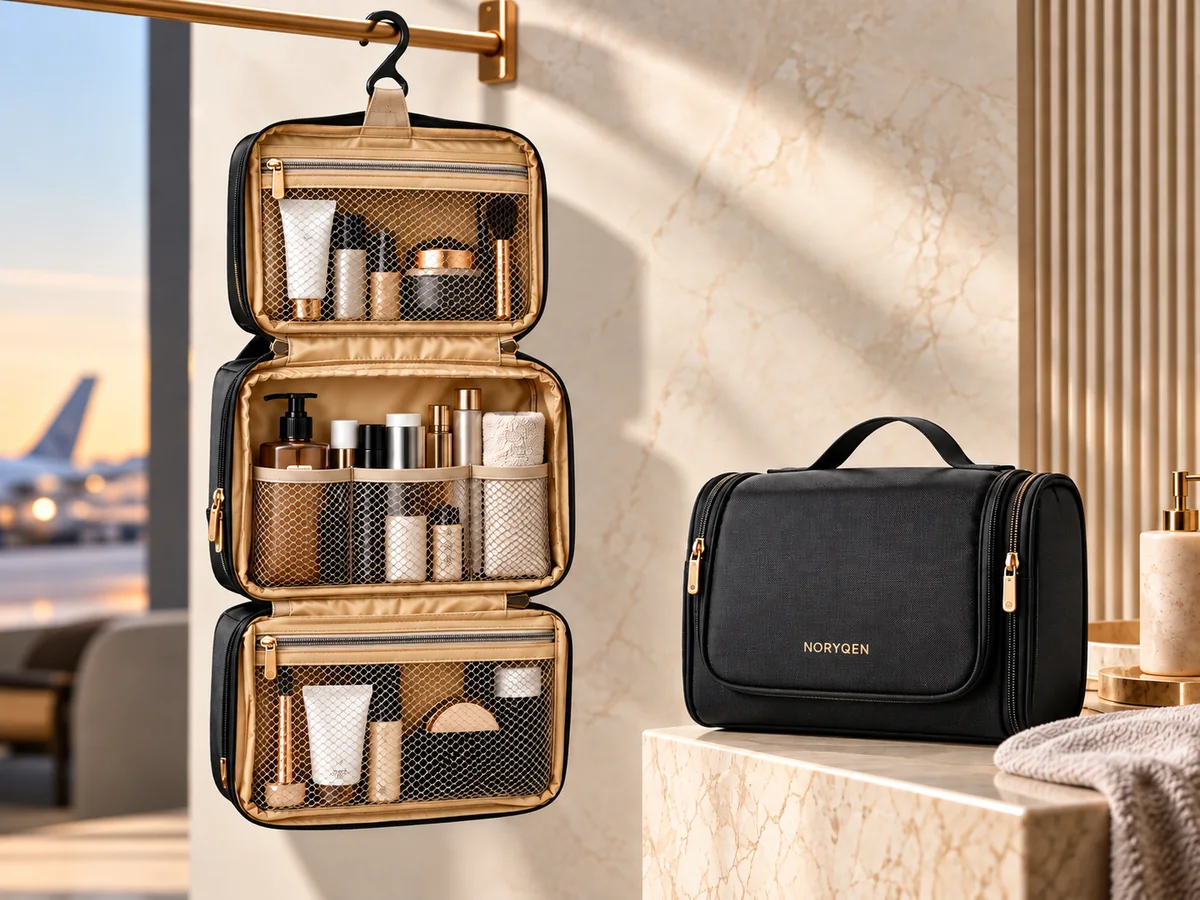 Factory reference
Hanging travel and toiletry organiser for corporate travel, MICE delegate kits and branded gifting. From 500 units.
One-colour screen printing is included on the qualified production basis. A one-time printing plate/setup charge applies and is confirmed in the written quotation. Other branding, colour or packaging changes are assessed against the buyer brief.
Combine a selected organiser with complementary travel accessories based on your event, corporate gifting or delegate programme. Additional components are quoted only after specification and supplier verification.
Four simple steps, with the important product and supplier details closed before commitment.
Product, quantity, destination, date and branding.
We identify suitable product and supplier options.
Specification, sample, quality, packaging, price and timing are clarified.
You receive the written basis for the next commercial step.
You do not need a finished specification. Send the product or programme idea, approximate quantity, destination, required date and branding need.
Start from 25 units. Share what you know now; exact MOQ, product route and commercial basis are confirmed after review.
Start with quantity, timing and the product or kit you need.
Buyer briefs start at 25 units. Exact MOQ depends on the product route: ready-stock or local sourcing may support 25 / 50 / 100 units, while factory-custom and private-label products can require 500+ units.
Price depends on quantity, product configuration, branding, packaging and destination. Send the brief and we will provide the relevant budgetary range before a formal quote.
Yes. Branding options can include printing, embroidery, labels and customised packaging depending on the product. Artwork position, colour, method and any setup charge are confirmed before production.
Products are sampled before bulk production when required. For NQ-SIG-01, the current supplier sample is US$80 plus courier and is credited against the first confirmed bulk order.
Yes. Send a reference image, specification or kit brief for a feasibility review. Products outside the current catalogue require specification and supplier verification before quotation.
NQ-SIG-01 has a supplier production lead time of 45 calendar days after sample approval. For event planning, allow around 3–4 months from brief to delivery to cover sampling, production, freight and destination handling.